
Portable appliance testing has long been a familiar part of electrical safety for landlords. However, the terminology has changed and there have been important developments in the law and official guidance in 202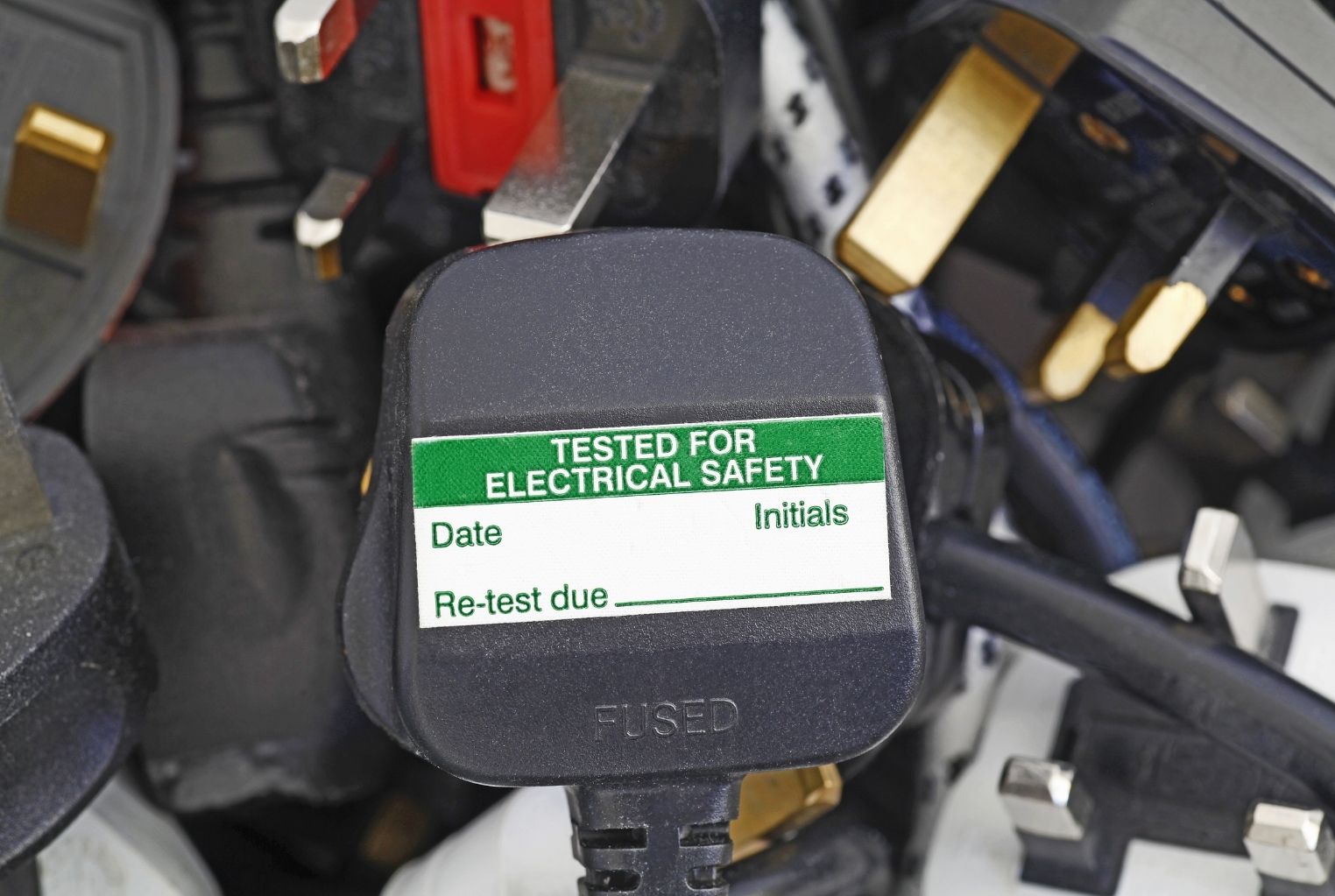 © Richard z / Shutterstock
PAT testing is now referred to as Electrical Equipment Testing (EET) and the latest IET Code of Practice covers a much wider range of electrical equipment. For landlords, one important point remains the same: the legal requirement to keep equipment supplied within a rental property safe.
Whether a single buy-to-let, a furnished rental or an HMO, maintaining appliances properly helps protect tenants, reduces avoidable risks and demonstrates that you’re taking your responsibilities as a landlord seriously.
How has a PAT test for landlords changed?
The biggest change is the move from the familiar term Portable Appliance Testing towards Electrical Equipment Testing. Still visually inspecting equipment and, where appropriate, electrically testing it to establish whether it’s safe for continued use; what has developed is the guidance surrounding risk-based testing intervals, record keeping and newer types of electrical equipment.
If you’re searching for a PAT test landlord service in 2026, you may find electricians referring to EET, in-service inspection and testing, or ISIT. These terms relate to the same broad area of electrical equipment safety. The updated terminology isn’t an entirely new testing regime. Instead, it’s a more accurate description of the work that landlords may already have been arranging.
Is a PAT/EET test a legal requirement for landlords?
The answer depends on where the property is located and what type of landlord you are. There’s no single set of UK PAT/EET testing regulations that applies identically across England, Scotland, Wales and Northern Ireland.
In England, private landlords have a legal requirement to have the fixed electrical installation inspected and tested at least every five years under the Electrical Safety Standards in the Private Rented Sector (England) Regulations 2020. This is normally demonstrated through an Electrical Installation Condition Report, or EICR. The regulations were amended in 2025 to extend electrical safety requirements to the social rented sector.
For private landlords in England, there isn’t a separate statutory requirement simply called “PAT testing”. However, government guidance makes clear that landlords must ensure electrical equipment they provide is safe. PAT or EET testing is a recognised way of inspecting and testing equipment, and keeping evidence of its condition.
The position is now different for social landlords in England. Since the regulations came into force for new social housing tenancies from late 2025, and for existing tenancies from May 2026, social landlords must ensure electrical equipment provided as part of the tenancy is checked by a qualified person at least every five years, with records maintained and remedial action taken where equipment is found to be unsafe. This is one of the most significant changes landlords need to be aware of since the previous 2024 guidance.
Scotland has a more specific requirement. Under the Repairing Standard, private landlords must arrange electrical safety inspections covering both the fixed installation and electrical equipment provided under the tenancy.
Wales and Northern Ireland have their own housing and electrical safety frameworks, so landlords should not assume that an approach that applies in England automatically applies elsewhere in the UK. Under the Renting Homes (Wales) Act 2016, PAT testing is not a named legal requirement for landlords, although it is “highly recommended to help meet fitness for human habitation requirements, particularly with regard to Matter 23: electrical hazards”.
The safest approach is to consider both the legislation that applies to your property and any additional requirements imposed by a local authority, licensing scheme or tenancy arrangement.
How long does a PAT/EET test last?
There’s no universal rule that says a PAT test is automatically valid for 12 months. Landlords should avoid treating a PAT/EET label as an expiry date. The important question is whether the equipment remains safe for continued use and whether the inspection and testing frequency is appropriate for the risk.
A visual check between formal tests is sensible, particularly when a property changes tenancy. Electrical Safety First recommends landlords carry out at least a visual inspection before a new tenancy begins, while arranging testing if there are concerns about damage or deterioration.
How often should a EET test be done?
The appropriate interval depends on factors such as the type of equipment, its condition, how frequently it’s used and the environment in which it operates. This means annual testing may be appropriate for some equipment, while other items may justify a longer interval.
There is no one-size-fits-all answer for private landlords. A kettle in a house occupied by a family of five, for example, may experience considerably more use than a rarely used appliance in a single-occupancy property. This difference should be considered when deciding how frequently equipment needs to be tested.
For social landlords in England, the new regulations establish a maximum five-year interval for checks of landlord-provided electrical equipment, although the appropriate testing regime should be based on risk and equipment may need attention sooner.
What about HMO EET testing?
Houses in multiple occupation can contain considerably more electrical equipment and experience heavier usage than conventional rental properties. In England and Wales, HMOs may also be subject to licensing requirements and additional conditions imposed by the relevant local authority.
Government guidance confirms large HMOs require licensing, while smaller HMOs may also require a licence, depending on the area – conditions can include requirements relating to electrical appliances and safety certificates.
An HMO landlord shouldn’t assume that PAT/EET testing can be ignored because it isn’t a named national requirement for private landlords. Local licensing conditions can create additional obligations, as some councils specifically require testing or evidence that electrical appliances provided by the landlord are maintained safely.
Growing importance of lithium-ion batteries
The latest guidance also concerns lithium-ion battery equipment used with e-bikes, e-scooters and larger power-tool battery packs. These have been associated with serious fires, particularly where batteries or chargers are damaged, poorly maintained or incorrectly used. The updated guidance gives greater attention to how this equipment should be considered as part of electrical safety management.
Particularly relevant to landlords of HMOs and properties where tenants may use or charge e-bikes and e-scooters; landlords should consider where charging takes place, whether equipment appears damaged and whether their property or insurance arrangements place additional restrictions on battery-powered equipment.
What happens if an appliance fails?
If an electrical appliance fails an inspection or is considered unsafe, it should be removed from use by the landlord and either repaired appropriately or replaced. The purpose of EET is to identify potential hazards before they cause an electric shock, fire or other injury.
For social landlords in England, the latest regulations specifically require unsafe landlord-provided electrical equipment to be made safe or replaced within a prescribed timeframe.
The important thing isn’t only the compliance label; it also includes whether the person carrying out the work is legally competent and whether the inspection and testing are appropriate for the equipment concerned. For landlords, the move from PAT to EET is a change in terminology that is part of a wider shift towards more comprehensive, risk-based electrical safety management.